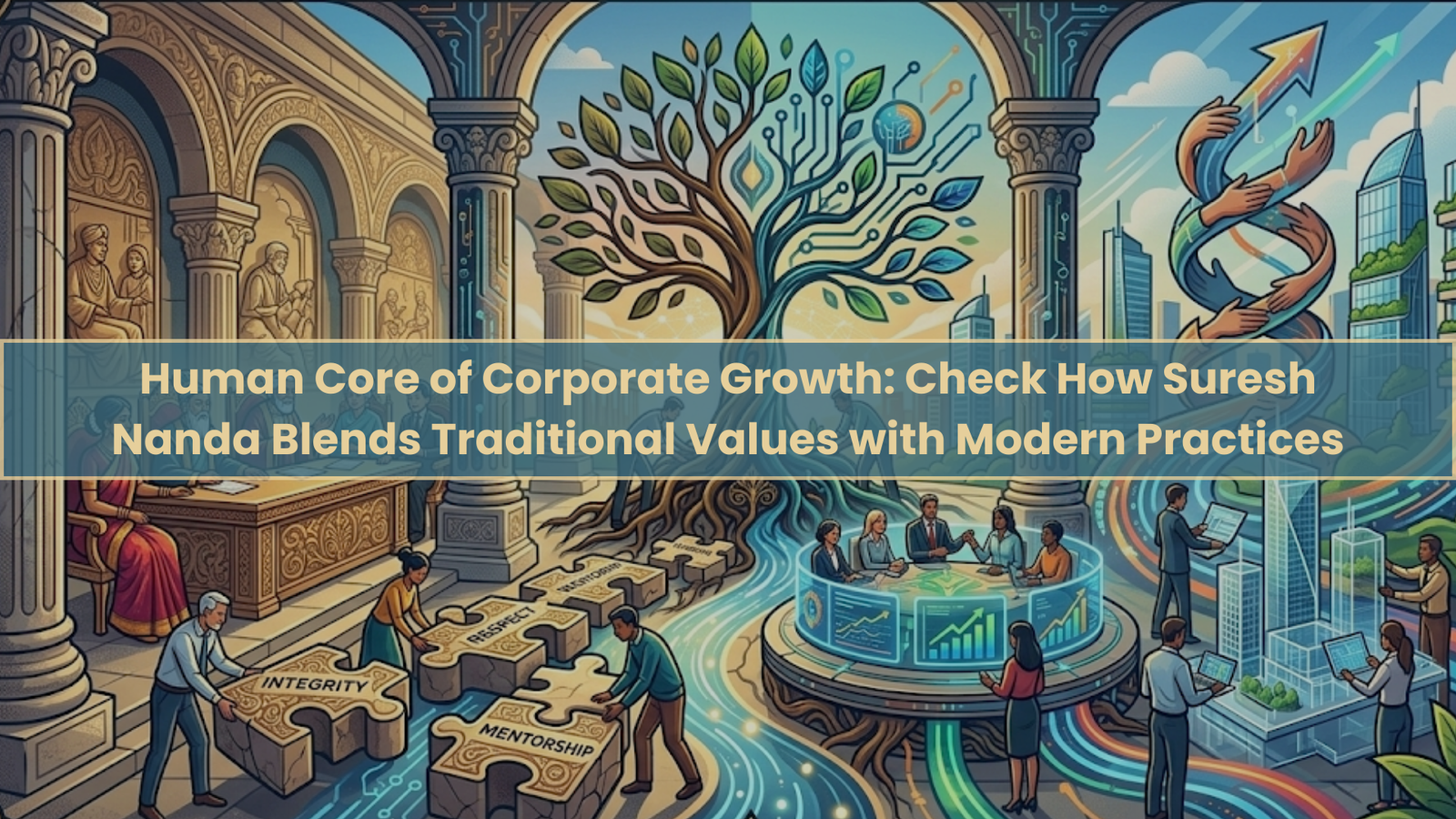
Exaples Effective human resource management is one of the fundamental drivers of business growth in modern corporations. HR management has undergone a silent shift from earlier capital-driven emphasis to interpreting the role of people as vital strategic resources for growth.
Although there is a lot to achieve, the employees shift their mindsets through reward programs and generous compensation packages that are now staples. If we look at insights from successful entrepreneurs like Suresh Nanda, they have led the way in this evolution of corporate philosophy by seamlessly blending traditional values with modern policies.
The Evolution of the ‘Boss’ to the ‘Leader’
If you are a regular on LinkedIn, the frequent ‘leadership’ posts should not go unnoticed! The shift continues to grow stronger every day, with modern-day thought leaders leading the way. If you have a closer look at Suresh Nanda news available on the internet, you can discover how the ‘boss’ makes a calculated attempt to bridge the gap between ‘blind obedience’ and ‘meaningful follower’ for the employees.
However, leadership today is going beyond symbolic gestures or inspirational messaging. Modern organizations are realizing that employee voice must translate into visible action. According to many studies, when feedback is collected but not acted upon, trust erodes faster than if no feedback is given. The new-age leaders like Suresh Nanda, who carry decades of experience, believe in operationally responsive, prioritising better communication. This shift marks the true difference between performative leadership and accountable leadership.
Examples of great leaders from Real World
In the age of social media, it is not uncommon to find bosses following the day-to-day life of their employees on Facebook or Instagram. All of this sums up to a fact: the era of toxic compulsion is gradually receding, paving the way for healthy relationships between the employer and the employee.
Here are a few heart-warming anecdotes on the employer-employee relationship in modern times.
- Top managers attend the marriage functions of employees. A fun example is the 2024 Kurkure ad featuring Sara Ali Khan, where she says, “Calm down, Sir.”
- Viral social media posts on how managers granted leave to employees after their relationship breakups.
- In Bengaluru, an employee was given a surprise party in the office simply because her personal Instagram account reached 2,000 followers.
- A post went viral when the manager responded by saying ‘take care’ to an employee who applied for early leave due to ‘feeling restless.’
Besides these well-known situations, there are hundreds of other stories where managers have silently fought on behalf of subordinates, especially for promotions or positive feedback. Even if you look for Suresh Nanda son news on the internet, you can find the human face of the successful hotelier who posts photos with his family, just like any other normal person would do!
Focus on Developing an Inclusive Talent Strategy
At the core HR level, the shift has resulted in developing an inclusive talent strategy that awards employees based on the values they bring to the table. The value-based emphasis is now a buzzword and is considered as as a crucial interview question even for top corporate positions. You may come across Suresh Nanda news where it mentions how top corporates conduct interviews these days.
But inclusivity today demands a system where considering employee insights actively shapes organisational priorities. Forward-thinking HR teams are moving beyond annual engagement surveys toward continuous listening models and data-backed action plans. The emphasis is shifting from measuring satisfaction to diagnosing friction points and resolving them systematically.
Moreover, employee retention is not only vital from an organizational perspective but also from a financial viewpoint because a lot of money is invested in training and perks. Therefore, strategic HR leaders are now treating feedback data seriously, just like financial data, and are reviewing progress at the executive level.
Steps Taken by the Administration in This Context
While going through Suresh Nanda news, you might also come across other related resources on how the Indian government has reformed the labour code. These reforms at the administrative level are serve as fundamental guidelines in incentivizing the employer-employee relationship at the workplace.
Understand the major talking points of the 2025 Labour Reforms:
- Universal minimum wage applies to all employees, even covering workers in the unorganized sector.
- Overtime pay should be double from regular rates.
- Appointment letters are mandatory for all employees.
- Social security benefits should be there. It includes ESI and PF, which extends even to gig workers.
- Working hours are not more than 12 hours a day, with a 48-hour week limit.
- The new system introduces the role of the ‘inspector-facilitator’ to encourage wilful compliance instead of mere policing.
- A new threshold of 300 has been introduced for the minimum number of workers who can be laid off after obtaining mandatory government approvals.
Regulatory reforms, however, work on the baseline. True organisational maturity emerges when companies voluntarily exceed compliance standards. Rightly formed compliance ensures protection; proactive engagement ensures performance.
Women’s Empowerment as a Fundamental Context
Women’s empowerment is now a fundamental corporate strategy. It makes every step inclusive for women, instead of being a social initiative. Even in the new Indian Labour Code, there are special laws for women’s safety and inclusivity at workplaces. When you look at Suresh Nanda son news, you will find how the Taj Dubai has special facilities for women.
According to the new code, women work in all industries, which enhances the gender equity in the corporate world. Now, there is mandatory safety protocol for women working on night shifts.
Women’s empowerment in workplaces is not only limited to India, but also integral to the global corporate policy framework.
- The UN Women’s Empowerment Principles (WEPs) have defined seven fundamental precepts to guide organizations in establishing gender equality.
- The International Labour Organization (ILO) has set the Multinational Enterprises (MNE) Declaration to promote gender equality.
Final Thoughts
To understand human resource management as a positive paradigm, the mindset must change. There is a lot to achieve yet; workplace toxicity and micromanagement are still common hassles. While positive incidents spark a ray of hope, leaders like Suresh Nanda are key changemakers behind such shifts.
The future of HR belongs to organisations that doesn’t limit to listening, but to leadership. Collecting feedback is no longer a progressive gesture; acting on it consistently and communicating progress transparently is the real differentiator.
When you read about Suresh Nanda news, it inspires you how a single person can impact the industry positively. Modern leaders should follow this inspiring route to incorporate better HR policies in the company framework. Fostering positive employee relationships goes much beyond a social effort. It is an essential strategy in order to encourage staff to be more productive.