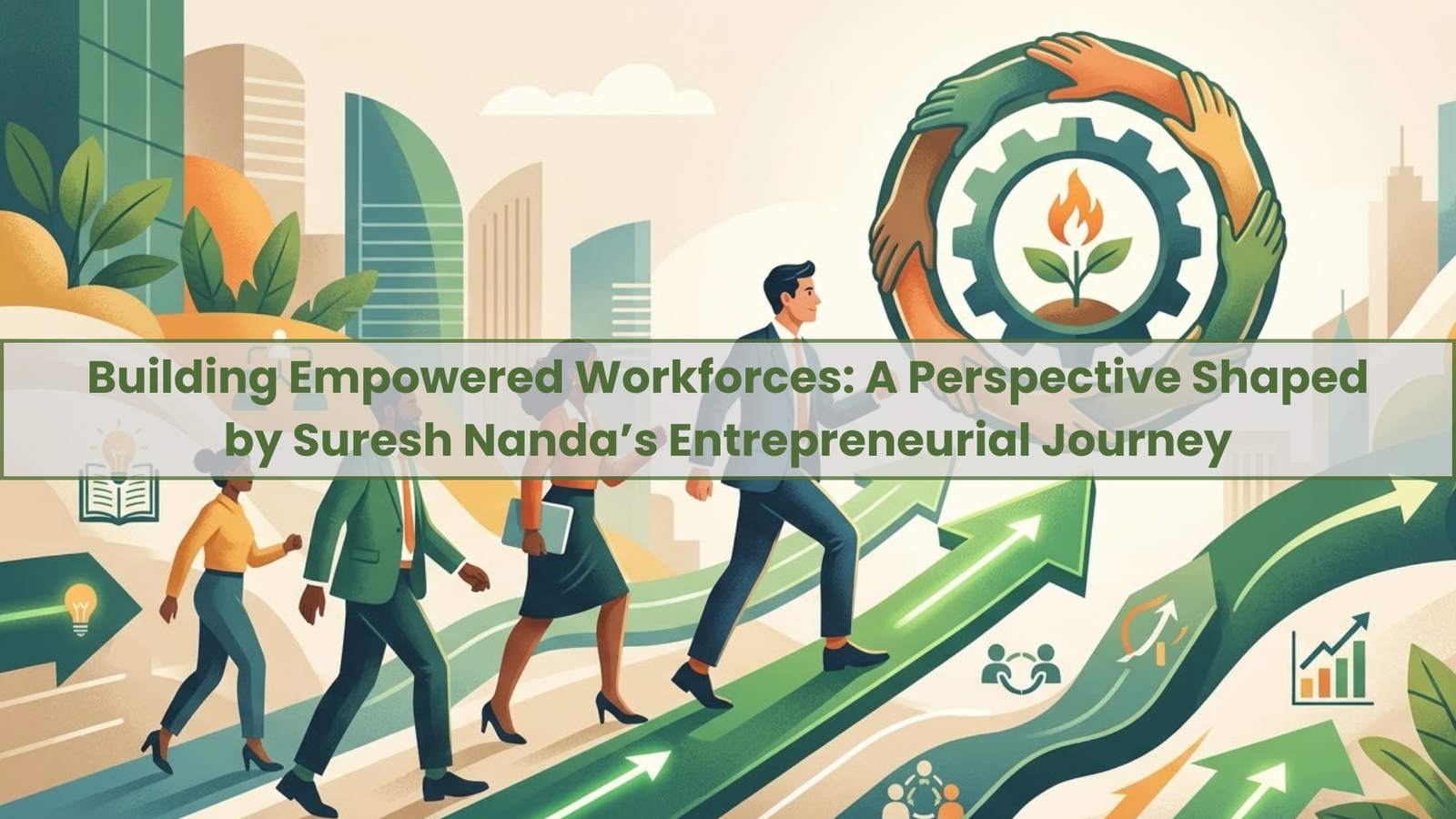
A strong frontline venture is shaped by its workforce. Leaders embody the identity of an organisation, yet it is the workforce that propels that identity into action. The biggest asset of the company is not the infrastructure, capital, or technology- it’s people. Companies that empower their workforce tend to achieve higher productivity and stay resilient in breakthroughs.
Powerful mindset leaders believe empowerment fuels innovation. Such teams transform ideas into measurable outcomes.
The concept of empowering employees goes beyond providing jobs. It includes ensuring an environment where each employee feels valued, trusted, and motivated. Across his entrepreneurial journey and multiple ventures, Suresh Nanda emphasises the importance of structured workforce development.
Role of the Workforce in Contemporary Enterprises
Employees in modern business set-ups are contributors and problem solvers. Rather than simply executing operational tasks, the workforce is actively involved in strategising and innovating.
According to the Suresh Nanda News Insights, 79% of businesses can adapt to technological changes and market shifts only because of their talented workforce.
An empowered workforce helps companies stay competitive in dynamic markets. When employees feel engaged with the organization’s mission, they become more proactive in solving problems. Providing them with resources, authority, and training strengthens their decision-making capabilities.
As cited in Suresh Nanda News, this level of empowerment leads to measurable progress, such as:
- Sustainable organisational growth
- Improved strategic adaptability
- Higher workforce productivity
- Stronger collaborative culture
How Leaders Strategize the Workforce?
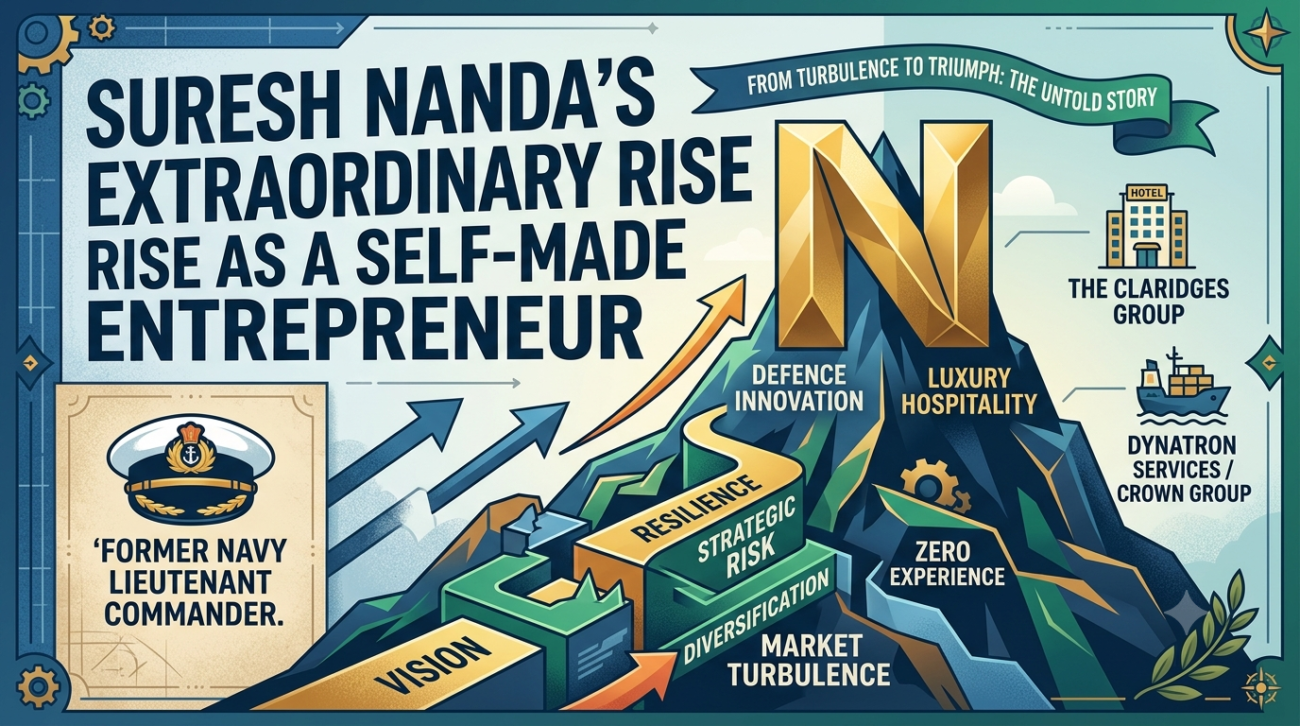
Renowned corporate leaders like Suresh Nanda strategise exceptionally for the workforce in his diversified business. His vision of hiring and retention is shaping the work culture in the corporate world.
Research by the LinkedIn Workplace Learning Report shows that 94% of employees say they would stay longer at a company that invests in their career development. Businesses, therefore, focus on training programmes, mentorship initiatives, and leadership pipelines.
Enterprises that have historically focused on structured management systems and professional discipline. This approach helps teams perform efficiently while encouraging individuals to contribute ideas that improve organizational performance.
Strategic Hiring and Talent Development
The hiring process has significantly changed. Hiring the right people with the right skill set directly influences the growth and work culture. Strategic hiring focuses not only on technical skills but also on adaptability, teamwork, and leadership potential.
The hospitality sector employs 300 million people around the globe. Businesses owned by Suresh Nanda employ more than 500+ people in a single hotel.
Businesses associated with Suresh Nanda Son (Sanjeev Nanda )in Dubai are also pioneering strategies to enhance hiring and development. As the scalability of companies increases, they need to ensure their employees grow alongside them.
A Work – Culture in Demand
Work culture matters a lot in defining the growth and operational efficiency of a company. Employees look for purpose, inclusivity and professional growth. The workforce loyalty is built gradually with proper strategies.
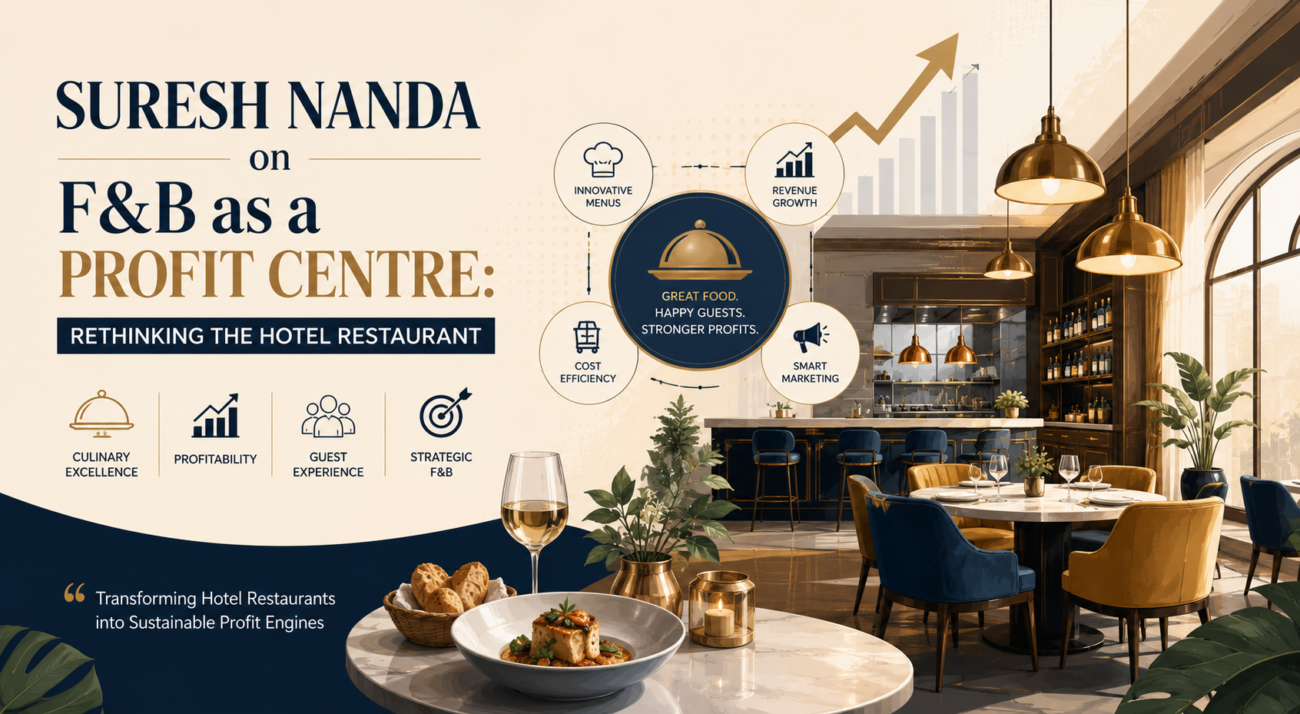
Suresh Nanda News often talks about the importance of balancing the employee culture in hospitality. Some of the hotels allow employees to dedicate 20% of their time to innovation projects that encourage creativity and new ideas.
In India, the Tata Group is recognised for its employee-centric policies and strong organisational culture. The partnership between IHCL (Indian Hotels Organisation)—part of the Tata Group—and The Claridges, owned by Suresh Nanda, reflects how collaborative ventures in the hospitality sector have strong strategies to refine the work culture.
Human Resource Managers shape the Employee Empowerment efforts
Human Resource Managers play a pivotal role in shaping employee empowerment. They design strategic frameworks that promote a flexible and innovative culture. Through structured training initiatives and mentorship programmes, HR leaders strengthen the capabilities and confidence of employees.
In the hospitality sector, transparent communication and constructive feedback to the staff is as crucial as serving the guest. When employees feel recognised and valued, their commitment to organisational objectives gets stronger.
Now, HR managers are the bridges between leaders and workforce aspirations. They ensure that empowerment is embedded every working day. With consistent efforts and strategies, the enterprise has motivated and capable teams.
Lessons to learn from the entrepreneurial journey of Suresh Nanda on building an Empowered Workforce
A positive and disciplined work culture remains central to building empowered organisations. Leaders who prioritise employee trust, skill development, and collaboration create teams that drive consistent performance.
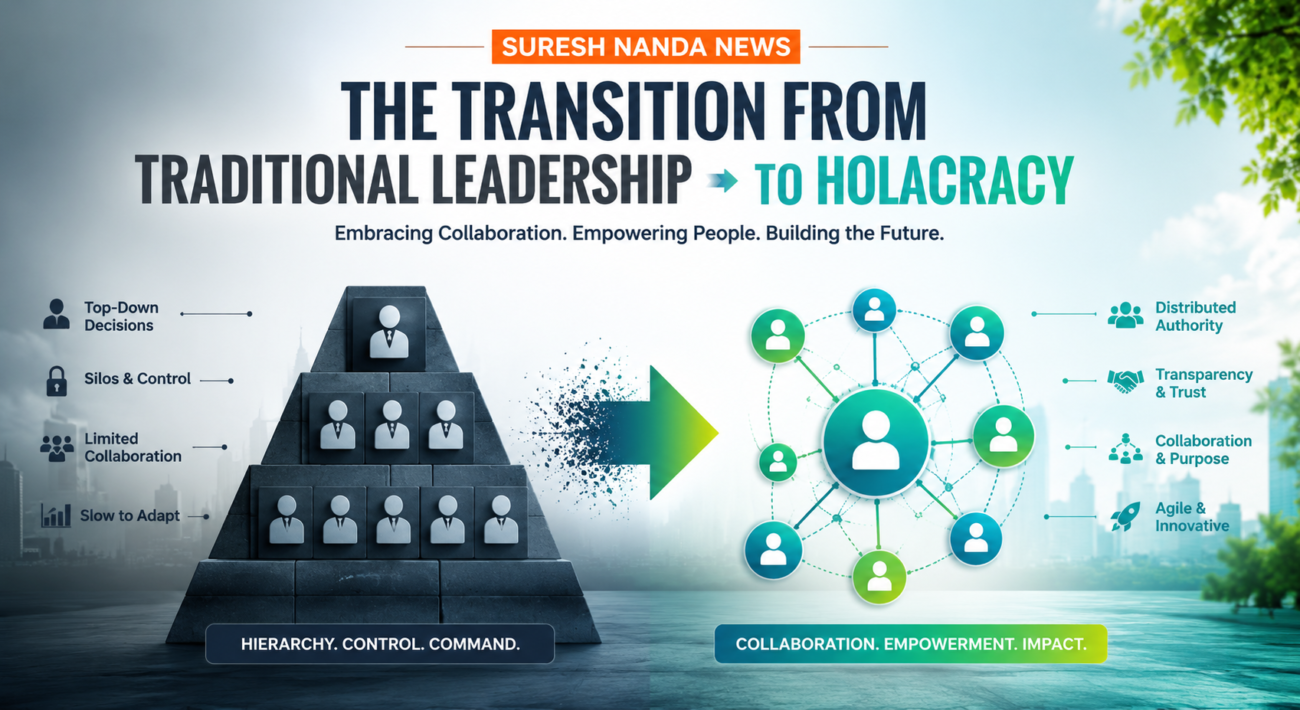
Across multiple ventures, Suresh Nanda has been making a strong workforce strategy to drive operational excellence and long-term stability. From the outset, he built a strong organisational structure with a clear hierarchy.
Empowered employees contribute beyond routine responsibilities when organisations invest in their growth. Suresh Nanda Son represents the continuation of these workforce-driven leadership values inspired by his father.
Empower Your Workforce, Strengthen Your Organisation Internally
Finally, it’s crucial to realise that empowered employees remain the cornerstone of sustainable business growth. Organisations that prioritise strategic hiring, transparent leadership, and continuous learning create resilient teams prepared for evolving markets.
Insights highlighted in Suresh Nanda News further demonstrate how disciplined management structures and employee-focused cultures can strengthen long-term organisational success while nurturing innovation.