India’s defence industry is entering a decisive phase. Sustained policy reforms, rising budgets, and a vibrant innovation ecosystem are reshaping the sector.
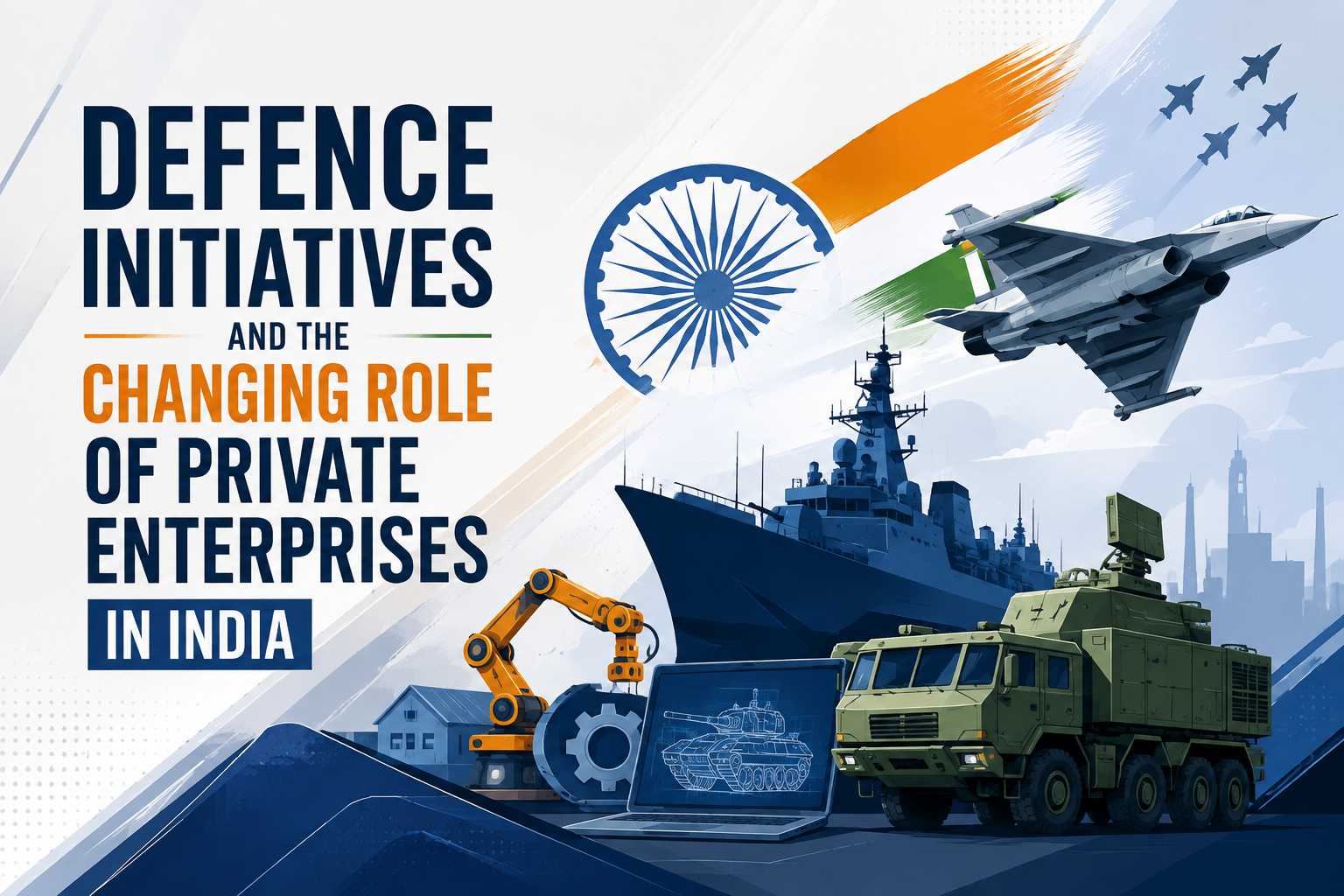
The emphasis is shifting from conventional procurement towards indigenous manufacturing and maintenance. Private enterprises are playing a wider role across several specialised areas of the defence ecosystem.
One such entity is Dynatron Services, established by Suresh Nanda, reflecting an earlier phase of India’s evolving defence industry, when private companies contributed to equipment maintenance and technical services for defence platforms.
Early Association with Defence Engineering
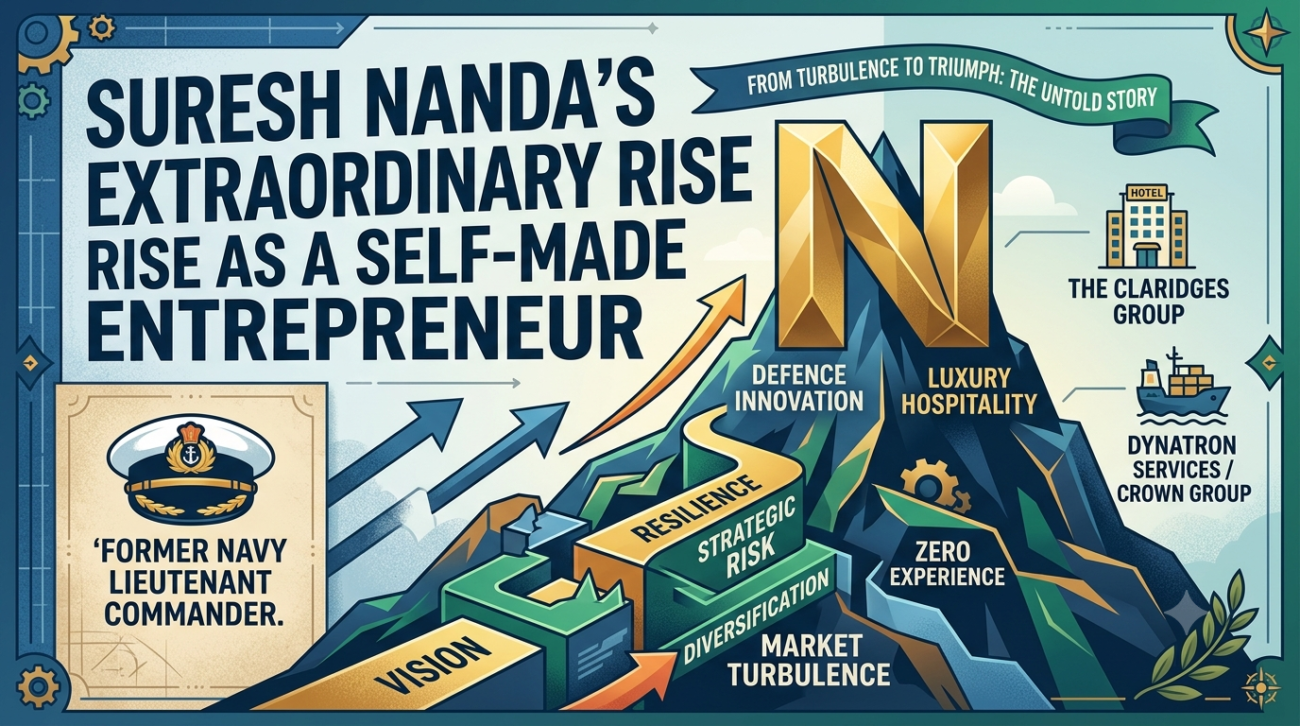
Before becoming a strategic business leader of multiple ventures, Suresh Nanda served in the Indian Navy as a lieutenant commander.
His involvement in engineering and defence businesses helped him to gain an innovative perspective in an industry where technical expertise and specialised maintenance capabilities were essential. Dynatron Services includes ship repair and maintenance, refits, modernisation, and support for mechanical and electronic systems.
Maintenance and repair requirements can involve complex systems and specialised components. Suresh Nanda strategically hired retired navy engineers and trained personnel, and accessed appropriate infrastructure to provide the MRO services across the country.
The Evolution of India’s Private Defence Sector
India’s defence industry has historically involved substantial participation from government-owned organisations.
However, policy changes over recent decades have created more opportunities for private companies, MSMEs, start-ups, and tech businesses.
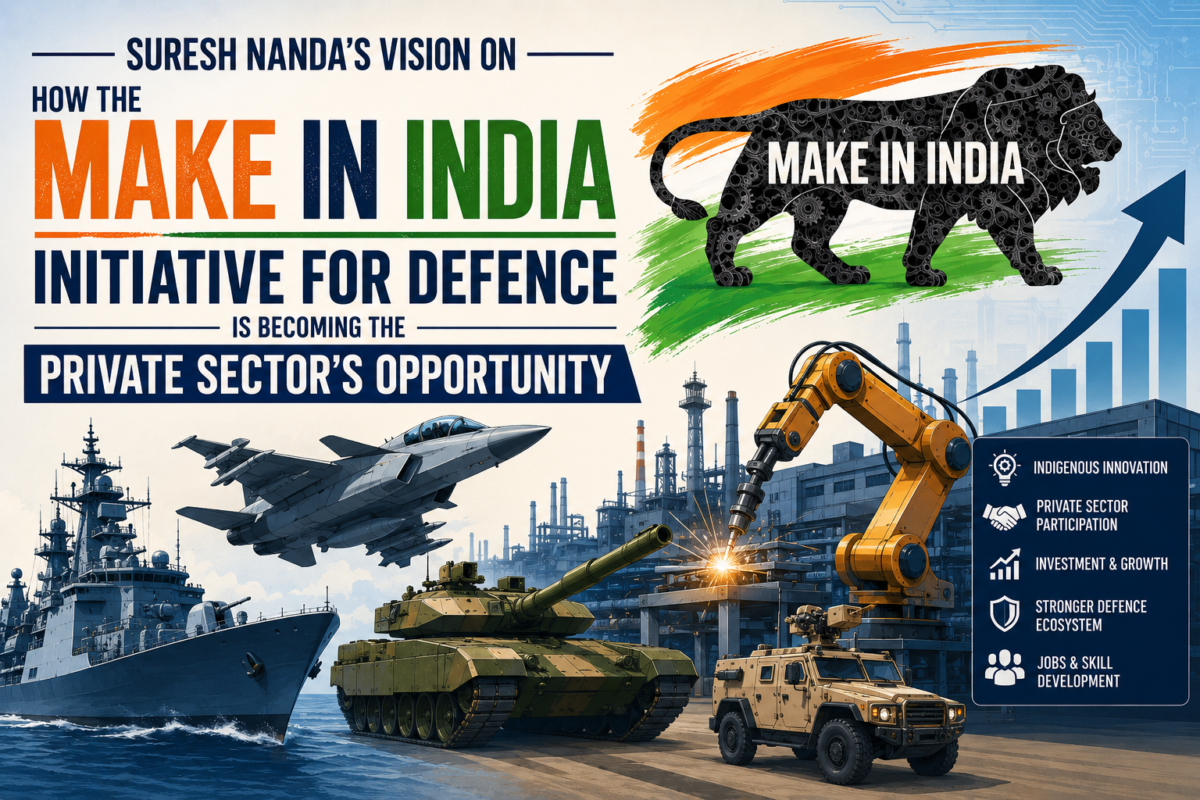
Initiatives such as the Innovations for Defence Excellence (iDEX) programme and procurement provisions favouring Indian-designed and manufactured systems are intended to strengthen domestic capabilities.
This changing policy environment has expanded the potential role of private enterprises. Companies are no longer limited to supplying individual components or providing conventional support services.
Importance of Maintenance, Repair and Overhaul
One of the most important areas of private-sector participation is Maintenance, Repair and Overhaul, commonly known as MRO. Defence equipment represents a significant long-term investment, and maintaining such equipment is essential for operational availability.
Marine MRO, for example, requires specialised infrastructure and engineering capabilities. Naval vessels and other maritime platforms undergo periodic maintenance and repairs.
Suresh Nanda news shares insight into how the MRO segment also has wider economic implications. It employs skilled engineers, technicians, and enhances the service range of technology companies. Over time, such networks can contribute to the development of a broader industrial ecosystem.
Suresh Nanda Son and Business Diversification
The business journey of Suresh Nanda son, Sanjeev Nanda, also reflects a broader pattern of diversification within the family’s business interests. Sanjeev Nanda has been associated with the hospitality sector, including business activities connected with international markets.
This represents a different business trajectory from the defence engineering activities associated with the earlier generation. While defence-related enterprises require specialised technical capabilities and close attention to engineering requirements, hospitality involves areas such as property development, operations, customer experience, and international business management.
The contrast illustrates how family-owned business groups evolve across generations, with different members developing interests across multiple industries.
What Suresh Nanda News Indicates About the Sector
Suresh Nanda news has extended beyond individual business developments to the broader areas in which his professional and entrepreneurial career has evolved.
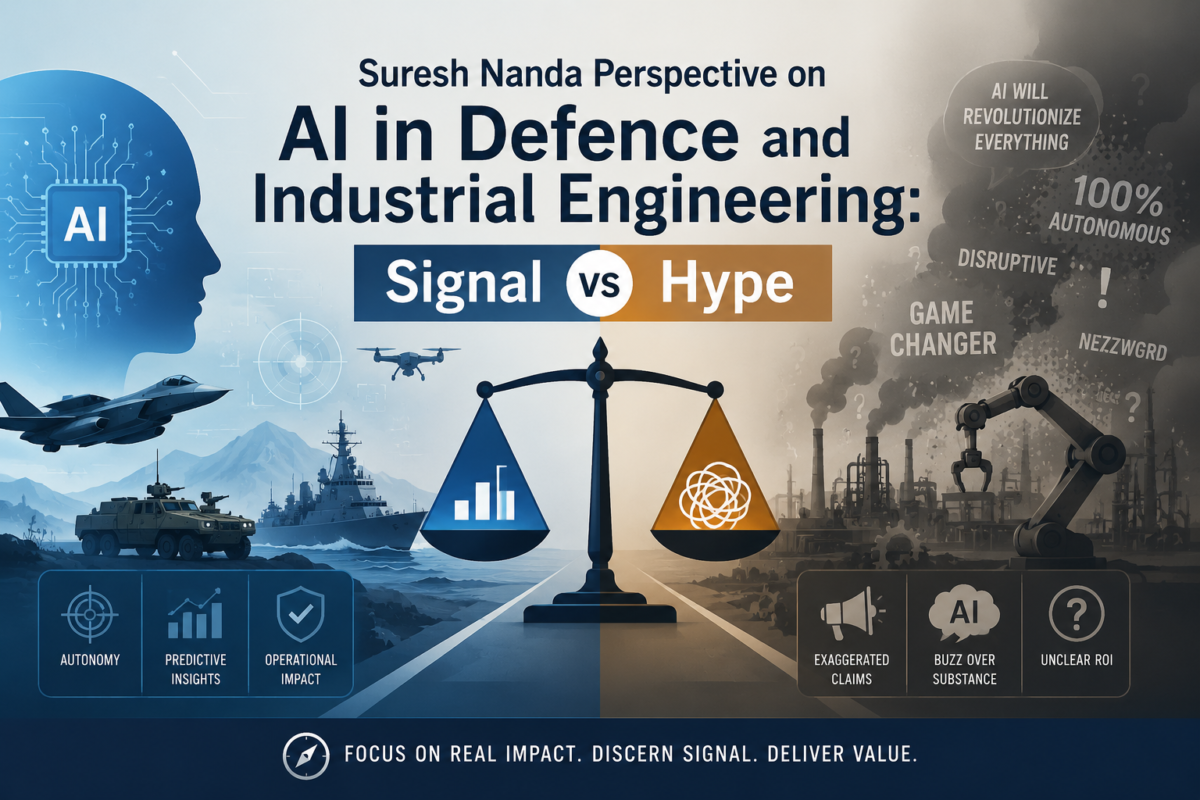
The defence industry today includes established engineering companies as well as start-ups working on emerging technologies. Artificial intelligence, robotics and cybersecurity are creating new opportunities for private businesses.
Government initiatives are also attempting to make defence innovation more accessible to smaller companies. Programmes supporting start-ups and MSMEs have created mechanisms for developing and testing new technologies that can address specific defence requirements.
Consequently, Suresh Nanda’s private participation is connected with innovation rather than being restricted to conventional manufacturing or support services.
Suresh Nanda’s Perspective: A Broader Role for Private Enterprises
The changing defence landscape suggests that private companies can contribute across the entire lifecycle of defence equipment. This includes:
- Research and development
- Compact and Integrated Design
- Component manufacturing
- Testing and maintenance
- Timely upgrades
- Eventual modernisation.
For India, developing such an ecosystem can have strategic as well as industrial significance. Domestic capabilities can support supply-chain resilience, create skilled employment, encourage technological development, and potentially strengthen India’s position in the international defence market.
However, defence remains a highly specialised sector requiring strict quality standards, significant capital investment, and long development cycles. They require engineering capabilities, institutional knowledge, technology partnerships, and the ability to operate within a highly regulated environment.
To Wrap Up
Suresh Nanda career trajectory provides an excellent prism for appreciating the evolution of the interaction between private enterprise and India’s defence sector. It is an era where the contribution of private enterprises includes providing expertise related to defence engineering and marine maintenance and repair operations in India.