Artificial Intelligence in hospitality has truly diversified hotel management. The evolution from manual check-ins to technology-backed personalised guest experiences has changed a lot about how hospital leaders think about the sector. However, the core philosophy remains intact while upgrading the ways to interact with guests.
According to insights shared in Suresh Nanda News, smart hospitality is now a necessity rather than a luxury. Big hospitality giants like The Claridges aim to improve operational efficiency while keeping guests and stakeholders satisfied with the services
The Prime Era of Smart Hospitality
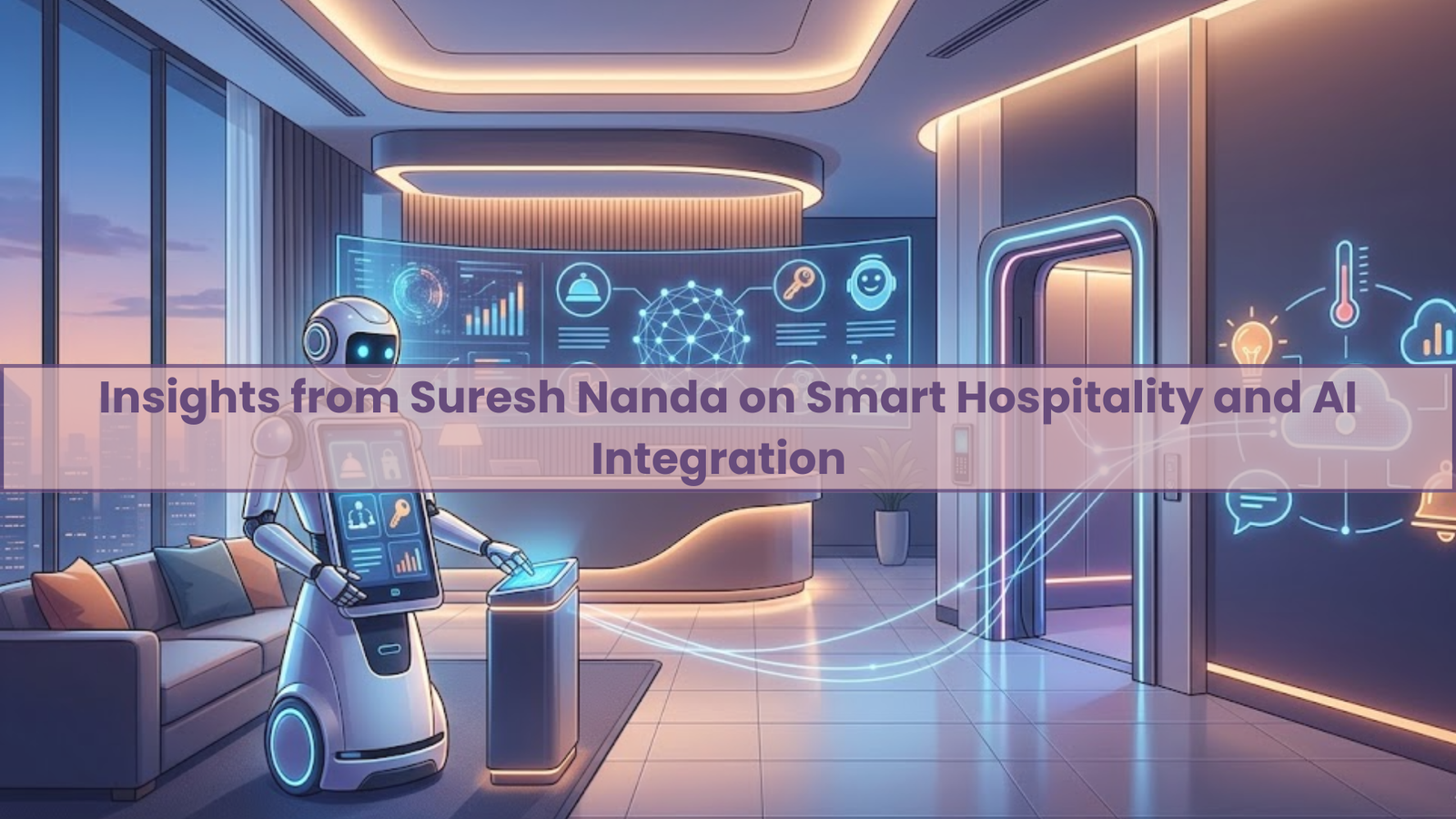
Smart hospitality has moved a long way from recording each visitor’s name manually to digital menu scanners on dining tables. Be it a stay or a dine-in, artificial intelligence and automated IoT devices with real-time data are constantly being utilized to optimize management.
Now, AI systems can perform analysis on things such as guest preferences, booking patterns, and feedback, in very little time. Many hotels also introduced robots for serving and cleaning purposes, which is a smart hospitality strategy.
From a business perspective, Suresh Nanda emphasizes that smart hospitality is not about replacing human interaction. It should be more about making the work smooth for staff and managing the guests better.
Why AI Integration in Hotel Operations is Needed?
Artificial intelligence is being integrated for ideas, repetitive tasks, or error-free data recording. When we talk about the hospitality sector, AI-powered chatbots are now handling:
Trip Planning with a better reach and communication without losing human touch in –
- Booking inquiries.
- Customer service requests.
- Multilingual communication.
On the other hand, day-to-day operations planning with advanced AI integrations can assist in:
- Revenue management for better allocation of funds.
- Demand forecasting with the help of analysis of global markets.
Similarly, help optimize room pricing and maximize revenue. According to Suresh Nanda News, AI integration is not limited to hospitality. It helps all sectors understand trends better, a view also supported by Suresh Nanda Son, Sanjeev Nanda, who manages Taj Dubai.
How Modern Hotels Strategise to Enhance Guest Experience?
The hospitality sector works on the principles of creating warmth and exceptional experiences for every visitor. Newly developed or renovated spaces have smart rooms equipped with voice-controlled devices. Moreover, they have fully automatic lighting and personalised decor and meal options.
All these updates were possible as AI assists businesses in anticipating demand efficiently. For example, if a guest prefers a certain room temperature or food preference, AI systems can store that data and automatically apply it during the next visit. Suresh Nanda News archives highlighted that this level of personalization consistently creates a memorable guest experience.
Trending Example of Smart Hospitality Expansion in Lucknow
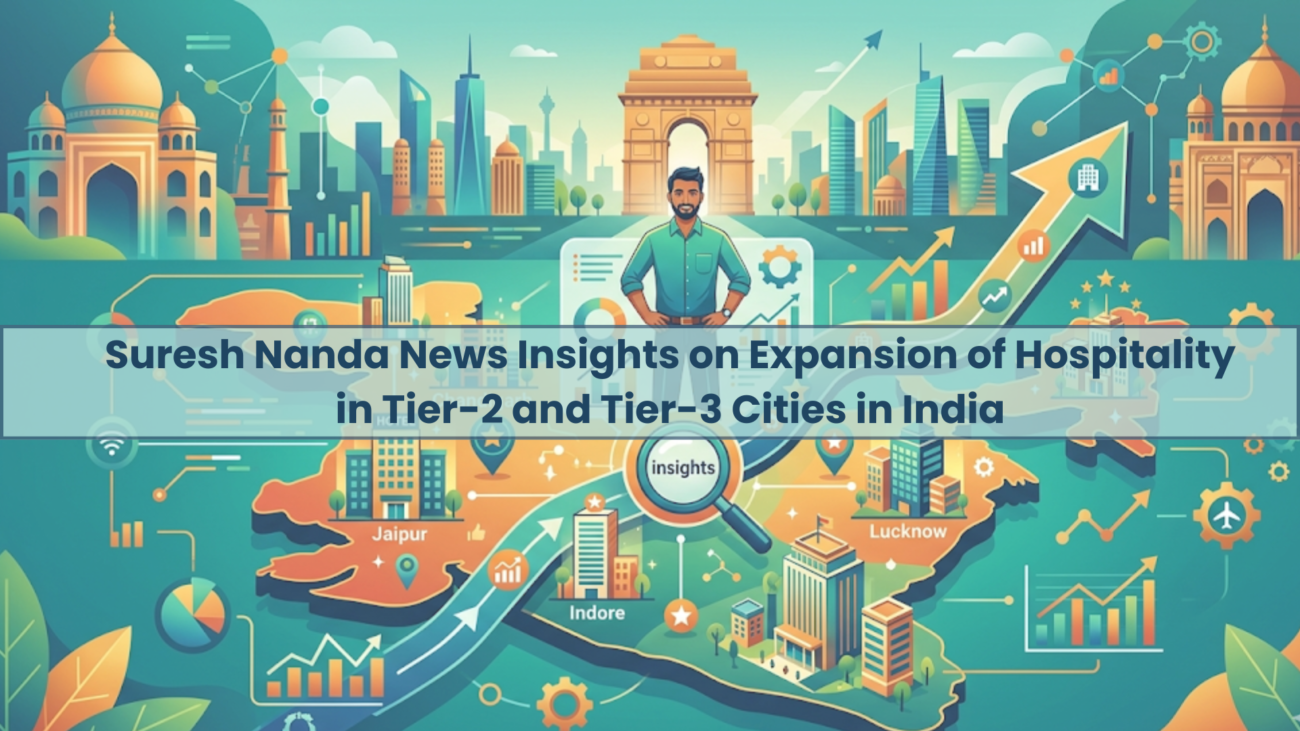
A real example of smart hospitality expansion can be seen in the growth of hotel projects by the Claridges, partnered with Indian Hotels Company Limited (IHCL) in Lucknow. The company has been expanding its presence with architectural designs, high-tech facilities, and upgraded hospitality services in the city.
The strategic partnership of Claridges hotels with IHCL is designed to cater to all business and leisure travelers. This branch aims to upgrade the amenities such as multi-cuisine restaurants, meeting rooms, and recreational facilities in Lucknow. These developments reflect how hospitality companies are combining infrastructure development with smart service models to enhance guest experience.
This partnership aligns with the vision often discussed in Suresh Nanda’s business insights and sharp planning of diversification. For him, technological upgrades are crises but optimistic changes that it brings along.
Advantages of AI in Hospitality Businesses
There are several benefits of integrating AI into hospitality businesses. As per the thoughtful outlook shared in Suresh Nanda News, it can assist in operations and boost value proportionally:
- Improved Customer Experience
AI integration in hotel management speeds up the interaction and behavioural analysis of the customers. It also maintains constant quality in check is and - Personalized Guest Experience:
AI allows hotels to customize room settings and personalize loyalty programs for regular and loyal visitors.
- Helping Hotel Teams Work Smarter:
AI tools are being used by front office and guest relations teams to automate routine tasks. Consequently, better coordination is being established daily and increasing overall efficiency across departments.
- Revenue Management and Smart Pricing:
With AI-driven analytics, hotels are now adjusting room pricing according to different variables. Those may include changing the pricing according to the season and booking patterns.
- Data-Driven Decision:
AI helps hotels analyze guest behavior, seasonal demand, and operational costs, allowing management to make smarter business decisions and improve planning.
- Creating a marketing strategy that reaches the right people:
AI tools in hospitality brands are now rigorously used to create targeted marketing campaigns. Such automation also assists in responding to online reviews quickly and managing social media engagement consistently.
- Keeping Guests and Staff Safe:
AI-powered surveillance and access systems improve guest and staff safety by detecting unusual activity and sending real-time alerts.
- Sustainability Efforts:
Smart AI systems help hotels reduce energy usage. Issues like waste management and water consumption are also sorted for suitability at minimum costs.
Finally, Hospitality 4.0: Architecting the Future with Artificial Intelligence
Research shows that the future of hospitality is reimagined with constant developments in technology, personalization, and efficiency. Suresh Nanda News reports state that adopting AI and smart systems today will help hotel brands to lead the international markets.
Hotels should invest heavily in smart technologies to improve guest experiences and operational efficiency. The next generation of hospitality leaders like Suresh Nanda Son envision strategising smart hospitality in the future. AI is helping hotels forecast demand, personalize offers, automate communication, and reduce operational costs, making it one of the most important technologies in modern hospitality.